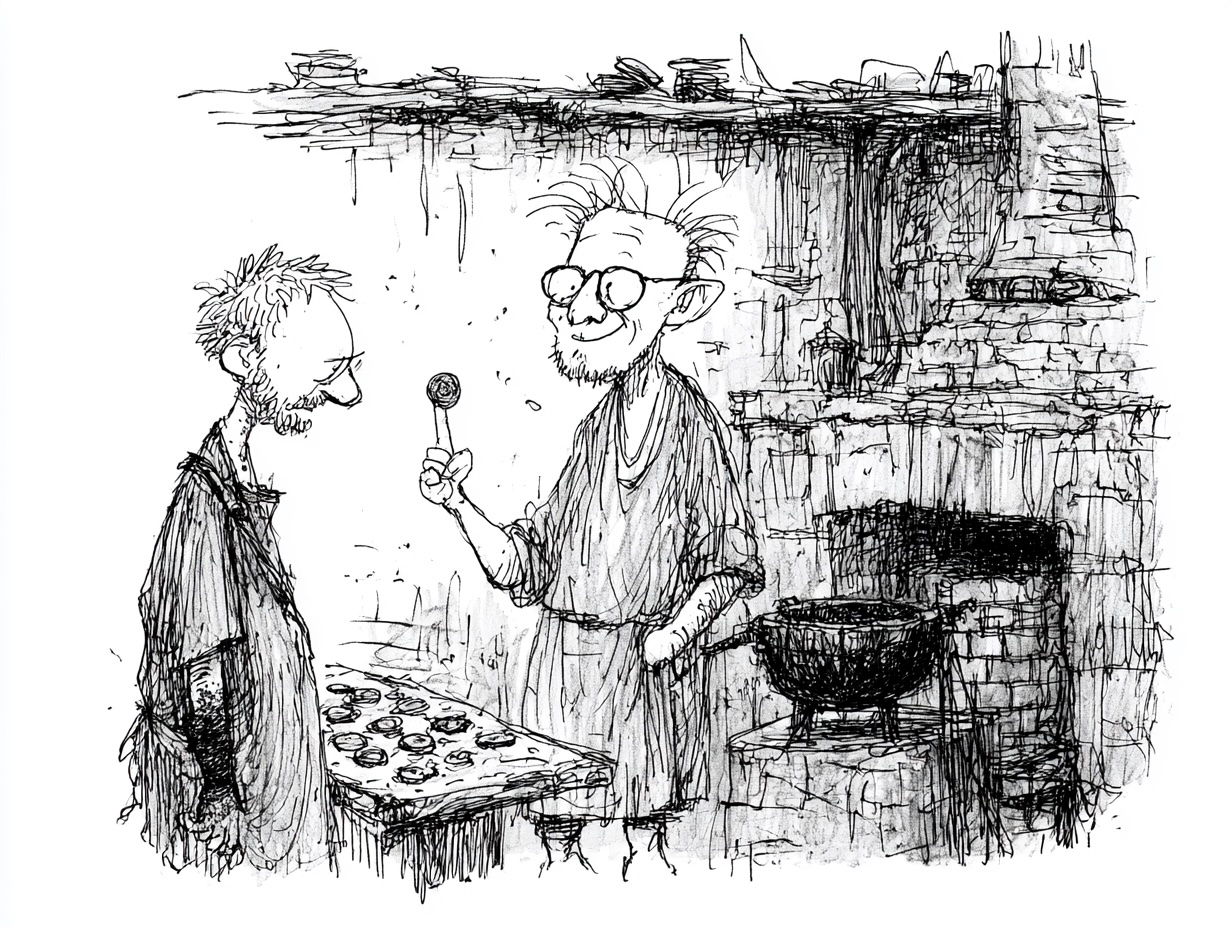
Capital Distortion
The coin still said denarius.
Imperial coins kept the same proud name, reign by reign, while the silver drained out of them. This Note is about the one number your governance trusts so completely that it stopped checking whether the number still means anything.
Darcie and I have spent these last days among Roman ruins—the Forum, the Palatine, the Colosseum—walking through places built to outlast everyone who built them. A little of it did. Most of it is rubble you can wander through for the price of a ticket.

After enough of it, you start asking what actually fails when something meant to be permanent comes apart. It is rarely the stone. I kept circling that on the Palatine, the Forum spread out below us—and I found the sharpest answer in a museum case.
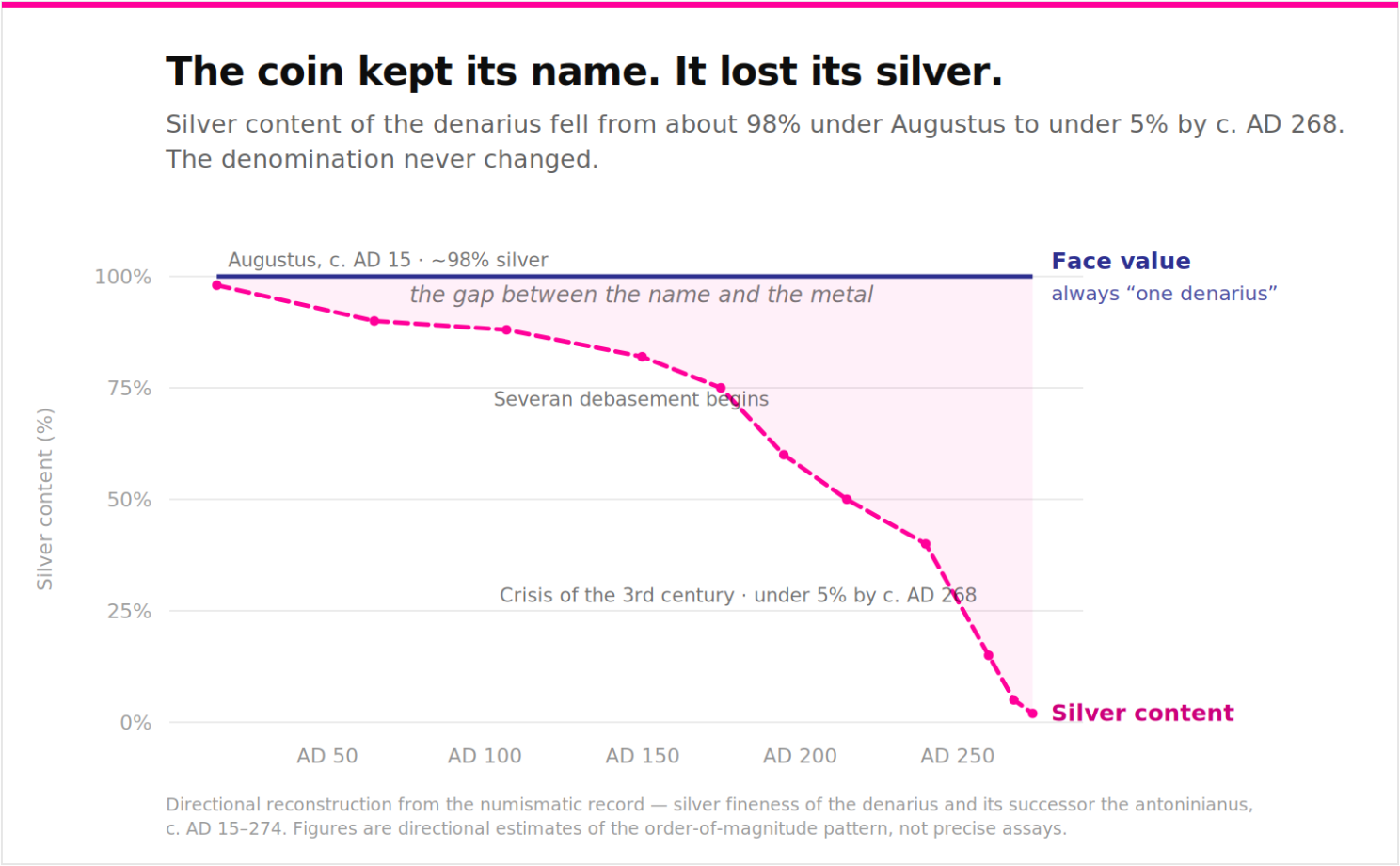
The case holds imperial coins, laid out in the order they were struck. You can stand at one end and watch the silver leave. The early denarii are bright, almost white. A few reigns along, they dull. By the far end, they’re the color of an old penny, a thin wash of silver over bronze if there’s any silver at all. And every one of them, bright or base, carries the same word. Denarius. The same emperor’s profile, the same proud lettering, the same denomination. The name never wavers. Only the metal does.
I’ve spent more than thirty years watching the modern version of that drawer.
A balance sheet you could bite.
The denarius was Rome’s financial instrument—its quarterly report, its credit rating, its balance sheet, all in something you could bite to test. When an emperor needed to pay the legions or fund a war or buy a crowd, the mint could quietly put less silver in each coin and strike more of them from the same bar. Nominally, nothing changed. The treasury still counted denarii. The soldiers were still paid in denarii. The accounts were still balanced in denarii. The number held its name the whole way down.
Nobody woke up and decided to wreck the currency. Each reduction was reasonable on its own—a small clip to meet a real obligation that year. That’s the part worth pondering. Distortion almost never arrives as a decision. It arrives as a sequence of sensible adjustments to the one number everyone trusts.
Then the corruption left the coin.
A debased coin doesn’t stay a problem of the mint. It moves.
First, the market repriced it, without a word. People weren’t fools—they kept the heavy old silver and spent the light new stuff, so the trustworthy coins vanished from circulation one cautious household at a time while the debased ones did all the visible work. Nobody announced a loss of confidence. The good coins simply disappeared, which is what a loss of confidence looks like before anyone will admit to it.
Then it reached the men being paid in coins. A soldier knows exactly what his denarius buys this year against last, and as the silver thinned, his real pay collapsed—not on any ledger, but in the only place that counted, the market outside the camp. Loyalty followed the metal. The legions began backing whichever claimant could pay them in something solid, and the throne started changing hands at sword-point.
Every price was written in it.
And the coin wasn’t only money. It was the unit every wage, every rent, every contract, every tax assessment in the empire was written in—the information system the whole economy ran on. Corrupt the unit, and you don’t mislead a single ledger. You degrade every system standing on top of it.
As the silver thinned, prices stopped carrying a signal. You could no longer tell a real change in value from the measuring stick shrinking underneath it. So the state stopped trusting its own prices: taxes were increasingly collected in kind—grain, goods, labor you could actually weigh—and eventually, under Diocletian, prices were fixed across the empire by decree. They were trying to run an economy whose only ruler had stopped measuring anything.
The crisis was the bill, not the cause.
By the time the fix is a price you set by decree, on pain of death, you are no longer governing. You are reacting to a fire you lost the ability to prevent a century earlier.
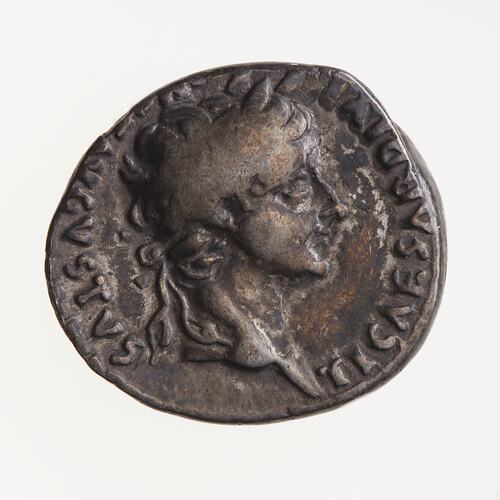
The coin had carried the emperor’s face and, with it, his promise. As the promise hollowed, legitimacy thinned to a single question—who can pay the soldiers—and the throne became something force could bid for. In roughly fifty years, Rome ran through some two dozen emperors, most of them murdered, the borders buckling, the empire splitting and reuniting.
The textbooks call it the Crisis of the Third Century, and it reads like a sudden catastrophe. It wasn’t sudden. It was two centuries of accumulated erosion surfacing at once—everything that had been draining out of the coin, the army, and the bond between ruler and ruled, arriving in the same decade as something nobody could miss.
Name your denarius.
I don’t think those emperors were stupid. Perhaps that’s where the lesson lies. The coin really did still say denarius. The accounts really did still balance. Every individual decision was defensible. The instrument they trusted most was the one that lied to them longest—precisely because it kept its name while losing its substance.
So here is the question inspired by our walk around the Forum. What is your denarius?
Name the one number your governance trusts so completely that nobody asks anymore whether it still means what it used to. Revenue that’s holding because you’re discounting harder. Margin that’s holding because you’ve starved maintenance. Engagement that’s holding because you quietly redefined what counts. The number is bright and full and says the same proud word it always has. The question is what’s actually left in it.
The trap was never the debasement. It was the constancy of the name. A denarius was still called a denarius right up until calling it that became a joke nobody in the empire was laughing at.
I keep thinking the useful skill isn’t distrusting your numbers. It’s remembering what each one was originally a promise about—and every so often, weighing the coin instead of reading the inscription.